The Songs You Played at Twenty
- moderato
- with the windows down
Every late set has a moment when the band reaches back. They play something that was on the radio decades ago, and a man at the corner table stops mid-sentence and says the name of a street. Not the name of the song: the street where he heard it, the summer he worked at a gas station, the friend who owned the car with the broken tape deck. The music opened a door, and a whole room of details walked through it.
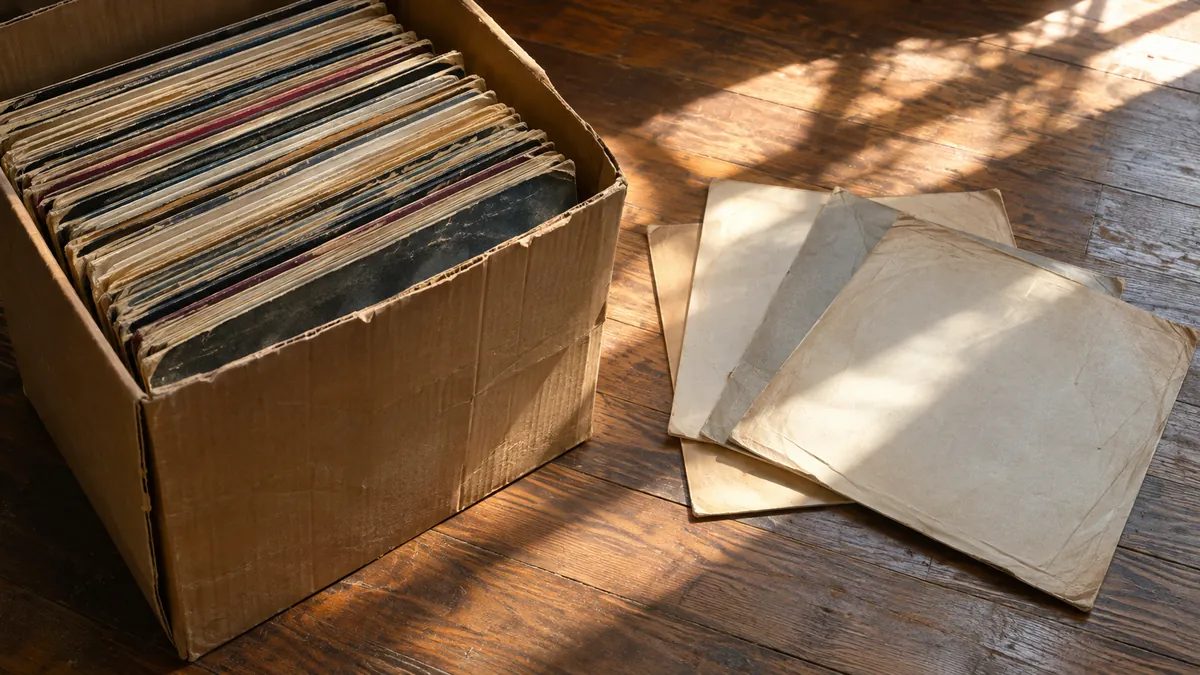
Why those years stick
People who study autobiographical recall often describe a bump: a stretch, roughly between the late teens and the early thirties, from which adults later in life pull up an unusually large share of their personal stories. First jobs, first apartments and first heartbreaks crowd into that window, and so does the music that played over them. A tune from those years arrives already tied to places and people, which is why it can pull so much along with it.
That pull is pleasant on its own. It can also be put to work, gently, as a regular exercise in reaching for detail.
The ten-song list
Take a sheet of paper and write down ten songs you remember from around the age of twenty. Titles only, in your own hand; no need to look anything up. Next to each one, write a single line about where you were the first time it mattered. Then pick one song a week and give it a page of its own.
On that page, go further. Who else was there? What were you wearing? What did the room smell like? What were you worried about that year? Many people find that the first two or three details come slowly and the rest arrive in a rush, the way a tangled cord loosens once one knot gives. Put the page away and add to it whenever something new surfaces during the week.
Listening is optional
You do not have to play the song. Some readers prefer to write first and listen afterwards, to see how much the music adds. Others hum a few bars from memory and work from that. Either way, the exercise is in the reaching, not in the recording.
Swap lists with someone
The ten-song list becomes far richer when traded. Ask a sibling, an old friend or the person you share a table with on music nights to make their own list, then compare. Overlaps lead to arguments about who was where, and arguments about who was where are wonderful for recall, because each person pushes the other to pin down a date, a car, a city. Even the songs that do not overlap tend to spark a question or two you would never have asked yourself.
Keep the pages together in a folder. After ten weeks you will have a small, odd, entirely personal archive of one stretch of your life, written down while the details were still within reach.
When a song brings back nothing
Now and then a title on the list opens no door at all. You know you loved it, you can hum it, and yet no room or face comes with it. Leave that line blank and move on; it is not a test you failed. Often the missing scene turns up later, prompted by something unrelated, a smell in a hardware store or a model of car parked on the street. When it does, go back and fill in the line, noting what triggered it. Those little side doors are worth recording too, because they show how many different paths lead back to the same afternoon.